APPRENTICESHIPS play a vital role in helping businesses develop skills, plan for the future and build strong teams. Yet misconceptions still prevent some employers from exploring what apprenticeships can offer.
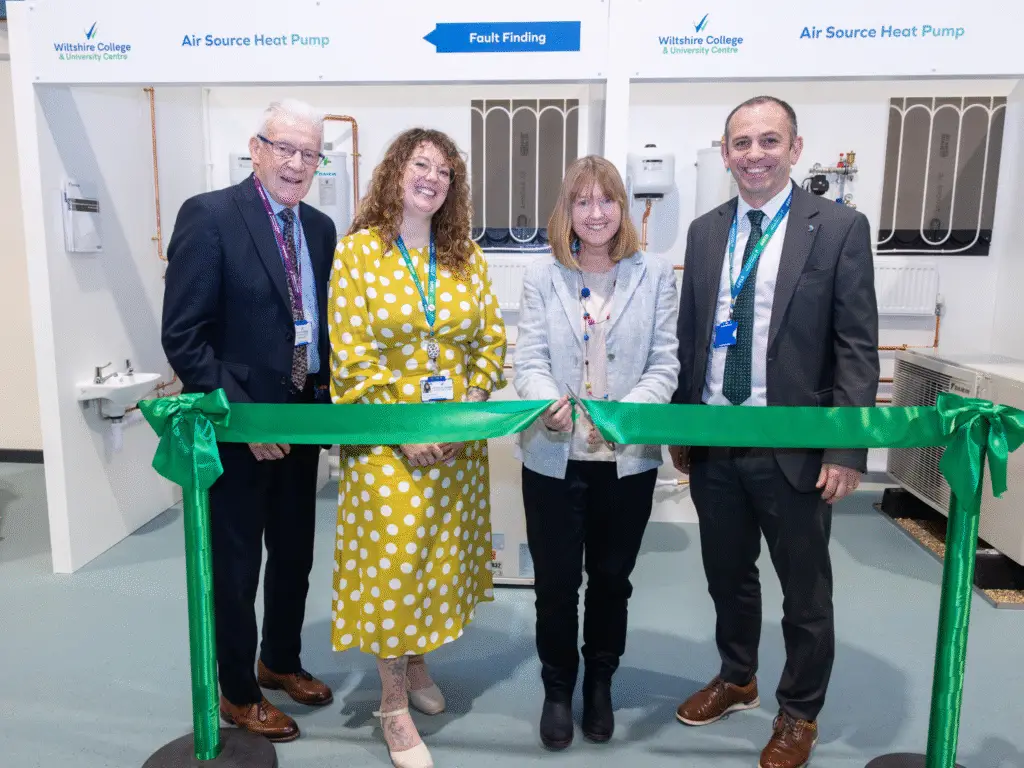
As part of the 150 in 100 campaign, Wiltshire College & University Centre is working with employers across the region to challenge outdated myths and highlight the real business impact of apprenticeships.
Here, we separate myth from reality – using real employer and apprentice experiences.

Myth 1: Apprenticeships are only for young people
The reality:
Apprenticeships are available to people of all ages and are widely used to upskill existing employees.
Many employers use apprenticeships to support progression, retrain staff into new roles or develop leadership capability.
“Having apprentices allows us to support the future talent that we need – it builds a positive talent line for us.”
Jessica Scull, Apprenticeship and Early Careers Lead, Aster Group

Myth 2: Apprenticeships are only for entry-level roles
The reality:
Apprenticeships range from entry level through to higher and degree-level programmes.
They support technical specialists, supervisors, managers and leaders – making them a powerful workforce development tool.
“It’s a great way to nurture talent and shape the skills and behaviours that we want within our organisation.”
Louise Hayward, Careers Inspiration Advisor, Wessex Water and YTL Group

Myth 3: Taking on an apprentice is expensive
The reality:
In many cases, apprenticeship training is fully or mostly funded, depending on your organisation’s size and levy status.
Non-levy-paying employers usually pay a small contribution, while levy-paying employers can use levy funds to cover training costs. (Non Levy 5% of funding band during year 1)
“Our youth are our future and if we don’t help them, what is our future?”
Karen Musselwhite, Munich Motorworks

Myth 4: Apprenticeships take too much time to manage
The reality:
Apprenticeships are designed to fit around real jobs and business needs.
Training is planned alongside the role, with ongoing support from the training provider to help employers manage the process. This can be day release to College or off-the-job training in the workplace averaging six hours per week.
“They are a key part of our long-term strategy. We support them in their development and see the advantage in the different perspectives they bring.”
Apprenticeship Development Manager Dean Green, Defence Support Group, part of Babcock International

Myth 5: Apprentices aren’t productive
The reality:
Apprentices are employees who contribute to your business while they learn.
Many employers find apprentices bring motivation, fresh ideas and long-term loyalty – developing skills aligned to the organisation.
“Apprentices are brilliant because they learn on the job. They understand the role, the business and the environment from day one.”
Hayley Fleming, Deputy Manager at The Avenue Primary School and Children’s Centre
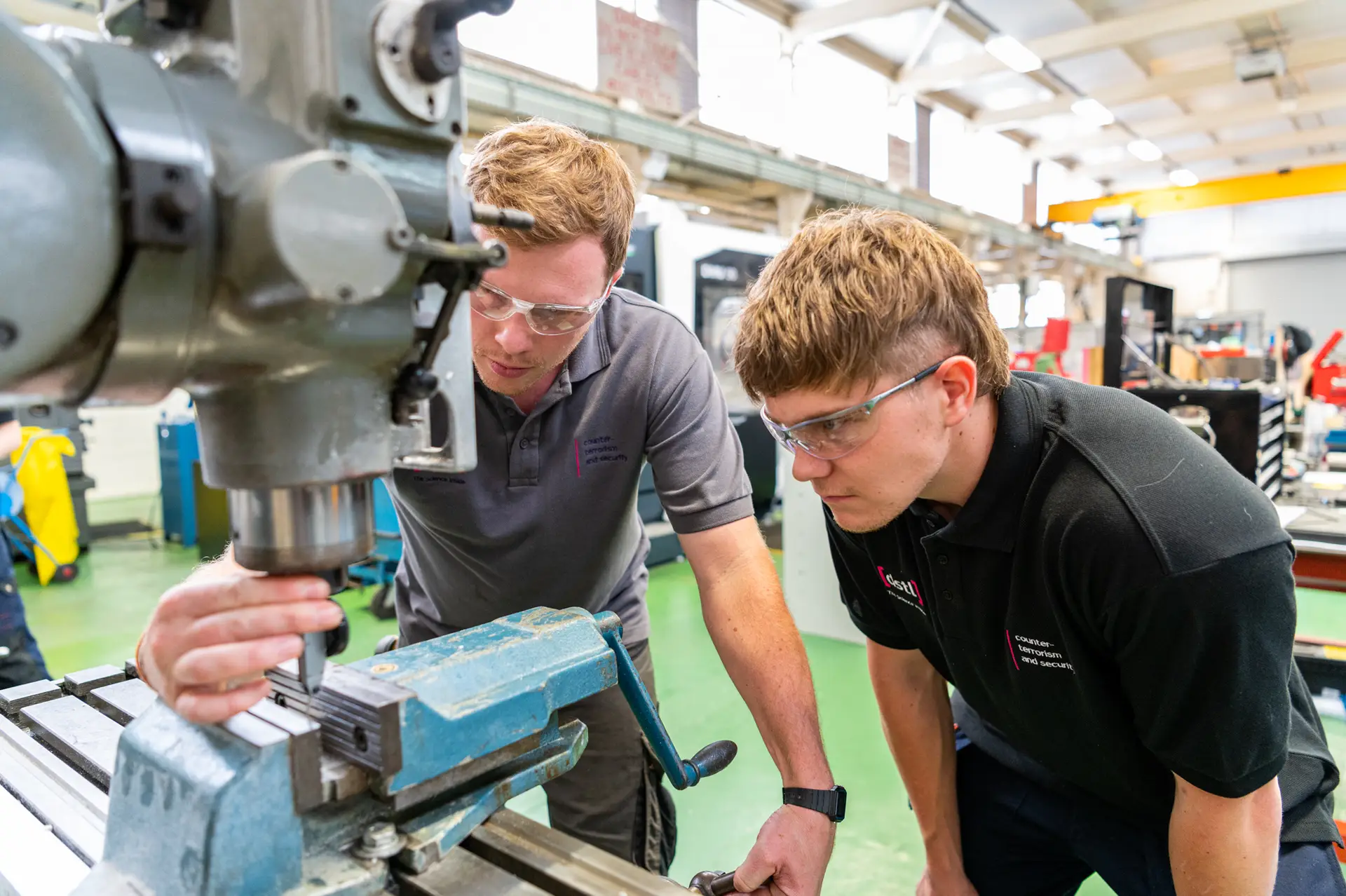
“They’ve brought new perspectives and ways of thinking into our team. Bringing in younger people with different experiences adds real value to our culture.”
DSTL

Myth 6: You need to know exactly what apprenticeship you want to offer
The reality:
Many employers start with a conversation – not a decision.
Apprenticeship specialists work with employers to understand skills needs and recommend suitable programmes.
“Many employers think they need to know exactly which apprenticeship to choose before getting in touch, but that isn’t the case. We start by understanding the business and the skills they need and then work together to identify the right option.”
Business Relationships Manager, Wiltshire College & University Centre

Myth 7: Apprenticeships are only suitable for certain sectors
The reality:
Apprenticeships are available across a wide range of industries, including engineering, construction, health and social care, business, leadership, digital, hospitality and land-based sectors.
With more than 60 apprenticeship programmes available, most organisations can find an option that fits their needs.
“Apprenticeships give young people the chance to get involved in engineering and help develop the next generation of engineers. With an ageing workforce across the sector, bringing in apprentices is vital for the future.”
Avonside Engineering
Why employers are getting involved in 150 in 100
Through 150 in 100, employers are using apprenticeships to:
- Address skills shortages
- Develop talent aligned to business needs
- Improve retention and progression
- Build a skilled, future-ready workforce
“Apprenticeships are a fantastic way of investing in and developing your workforce. They allow you to grow talent within your organisation and support people to build long-term careers.”
Wiltshire Council
“Take the leap.”
DSTL
Making a pledge is a simple first step – and there’s no obligation to recruit immediately. It’s about starting the conversation and exploring what’s possible.