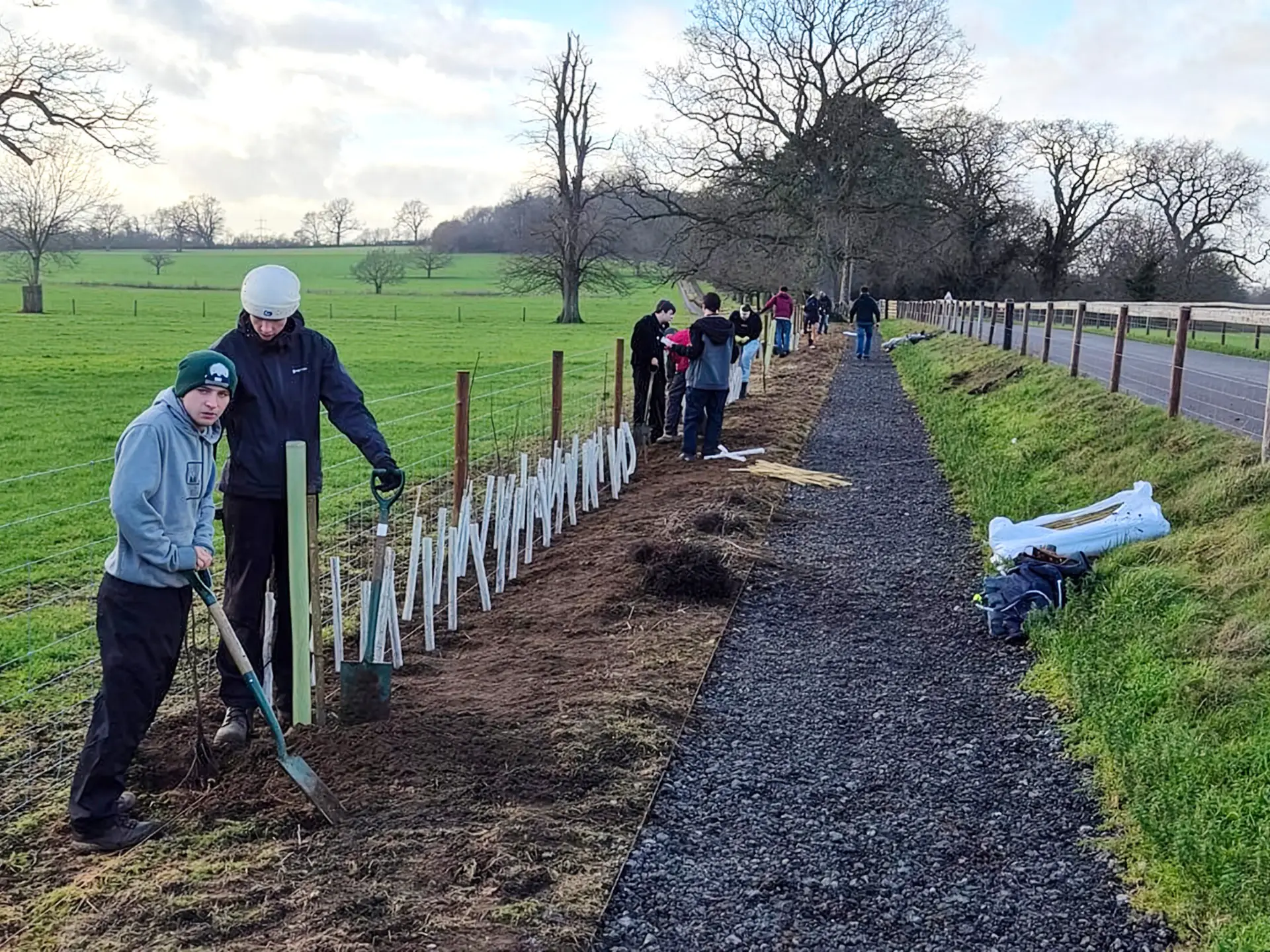
STUDENTS are helping to transform the landscape at Wiltshire College & University Centre’s Lackham campus by planting 4,000 hedgerow plants and trees, thanks to a grant from the Great Western Community Forest project.
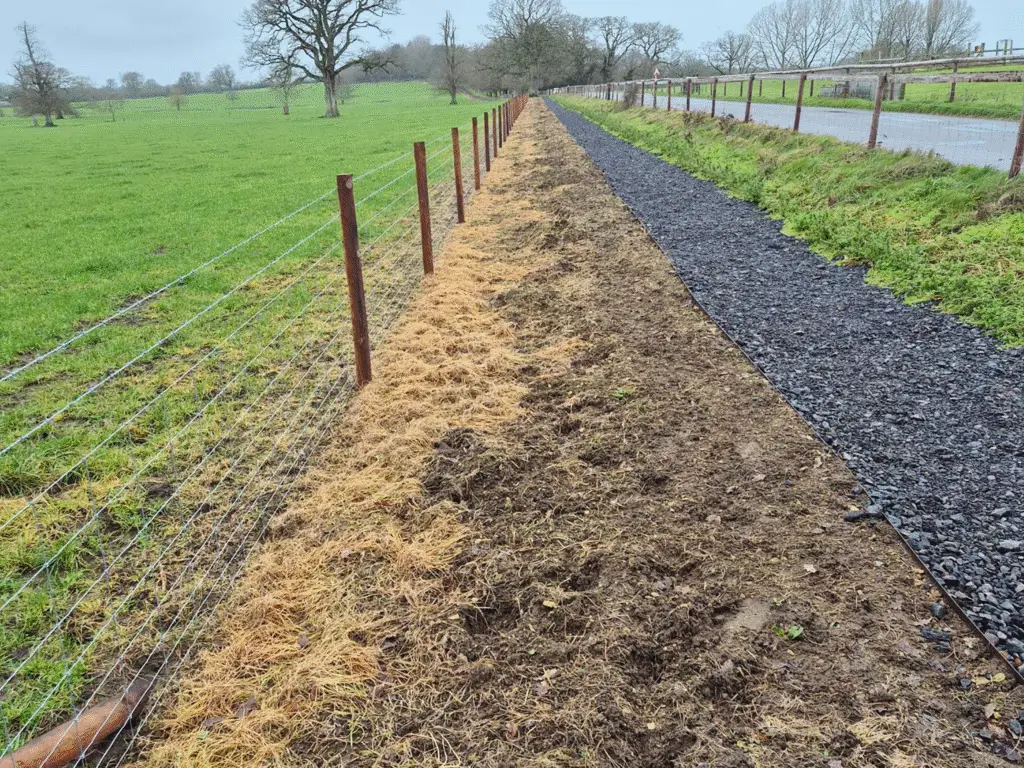
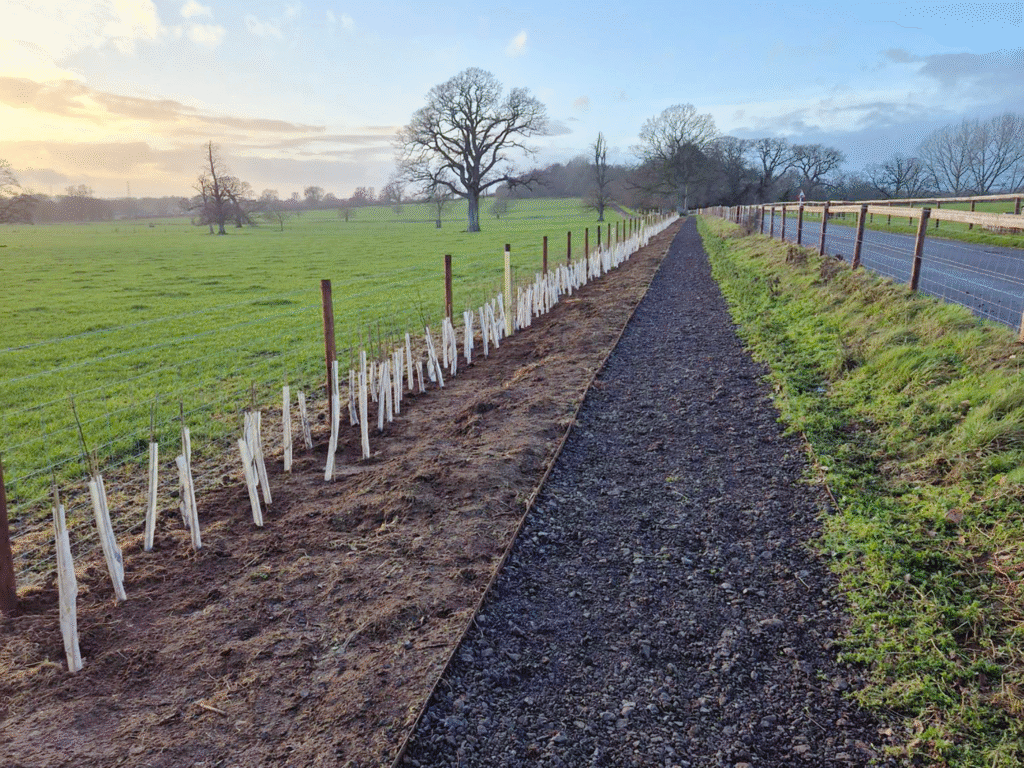
The 800 metres of hedgerow, augmented with a new tree every 15 metres, is being planted by the side of a new path along the campus’ main driveway which was created in the summer. The new planting will not only provide shade for path users and cows grazing in the nearby pasture, it will improve sustainability and carbon capture as part of the college’s mission to reduce its carbon footprint.
Wendy Green, programme lead for Level 3 Countryside and Land and Wildlife (Countryside) Management, applied for the grant and said she was delighted when it was approved. “It’s a great initiative and it’s good for the students to actually be out doing what they would do in industry,” she said.
“Because of this they’ll know how to plant and maintain hedgerow correctly and they’ll also learn how to go about looking for and applying for grants linked to hedgerow and tree planting initiatives.”
More than 40 Land and Wildlife, Agriculture and Animal Care students have begun planting the hedgerow and trees, with around 20 horticulture students set to join in. “Some of the trees are pretty big and have quite big, bare roots, so the students have to dig a significant hole,” said Wendy. “But it’s good to see them out in the fresh air working hard and they’ve done a really good job so far.”
An important benefit of the planting is enriching the food source for birds, insects and small animals. “We’re planting Hornbeam, Hazel, Hawthorn, Blackthorn and Guelder Rose in the hedgerow and the trees are English Oak and Field Maple,” said Wendy.
“I chose them because they all produce fruit and flowers, so we’ll have flowers in the spring for bees and insects, which are really important, and then fruit in the summer and autumn for birds and small mammals. Native hedgerow enhances biodiversity and creates a wildlife corridor, so it has lots of benefits.
“It will be good for voles and field mice and where you have smaller animals, that attracts owls so it’s like a food web – it all interlinks.”
She said the Blackthorn is the first plant to flower in the spring, with lots of white flowers for the insects who emerge earlier. “In May you get the Hawthorn and then Hazel, which has catkins, and after that, Hornbeam produces a nut like the Beech Tree,” she said. “The Hornbeam also has leaves that remain longer in the winter and Blackthorn has long thorns, both of them provide protection for smaller birds to hide from larger prey.
“There was nothing there before so this is going to make a massive difference to our biodiversity, it links in with our sustainability aims and mitigating the impact of the herd.”
The hedgerow is phase one of a long-term project planned with the Great Western Community Forest and, if grant applications are successful, there will be further phases of planting later in the year. “We’ll be planting hedgerow to green up an awful lot more of the farm’s pasture areas and trees to link up woodland,” she said.
“We’re very grateful to the Great Western Community Forest for the grant. They have been really enthusiastic and happy that we contacted them, because we’re the kind of institution they’ve been looking to engage with. They’ve worked with lots of other landowners but we’re the first educational site to be part of the project.”
Build real-world skills in the countryside sector
From habitat creation to sustainable land management, our land-based students gain hands-on experience that prepares them for careers in agriculture, horticulture and environmental conservation.