WILTSHIRE College & University Centre has launched a new Higher National Diploma (HND) in Animal Conservation & Countryside Management for 2026, designed to prepare students for careers protecting biodiversity, managing habitats and supporting sustainable land use.
The course forms part of our refreshed Higher Education offer for 2026, which includes new programmes developed in line with industry demand.
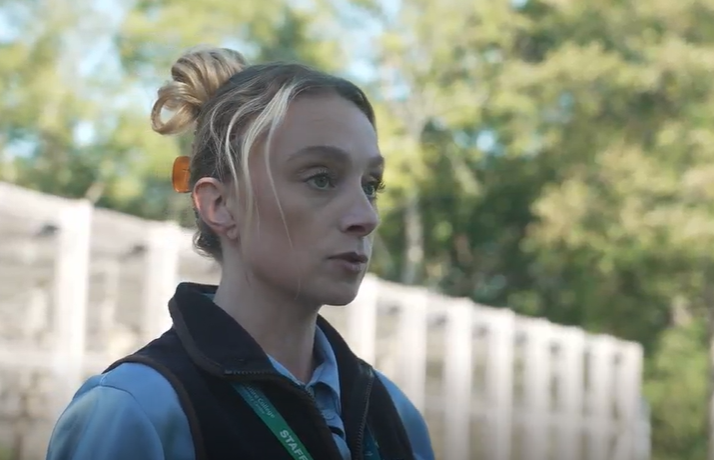
We caught up with Lauren Meek, Lecturer in Animal Care, about what makes the course unique and why it’s an exciting new addition.
What makes the Animal Conservation & Countryside Management course unique?
This course brings together a range of disciplines, giving students the flexibility to progress into diverse sectors within the land-based and environmental industries. What really sets it apart are the facilities and learning environments available to students.
They will have access to extensive woodlands and varied agricultural landscapes, allowing them to gain hands-on experience in real-world settings. This immersive approach helps students develop a deep understanding of conservation, habitat management and sustainable countryside practices.
Why was the course introduced for 2026?
The animal care sector is currently very competitive, making it challenging for graduates to find distinctive career pathways. At the same time, there is growing demand for professionals in conservation, ecology and sustainability, including roles such as park rangers and habitat managers.
These careers are vital for protecting biodiversity and managing natural resources. Importantly, conservation and ecological work relies on human judgement, expertise and practical skills that cannot be automated, making the sector both future-focused and resilient.
How does the course prepare students for real-world conservation and land management work?
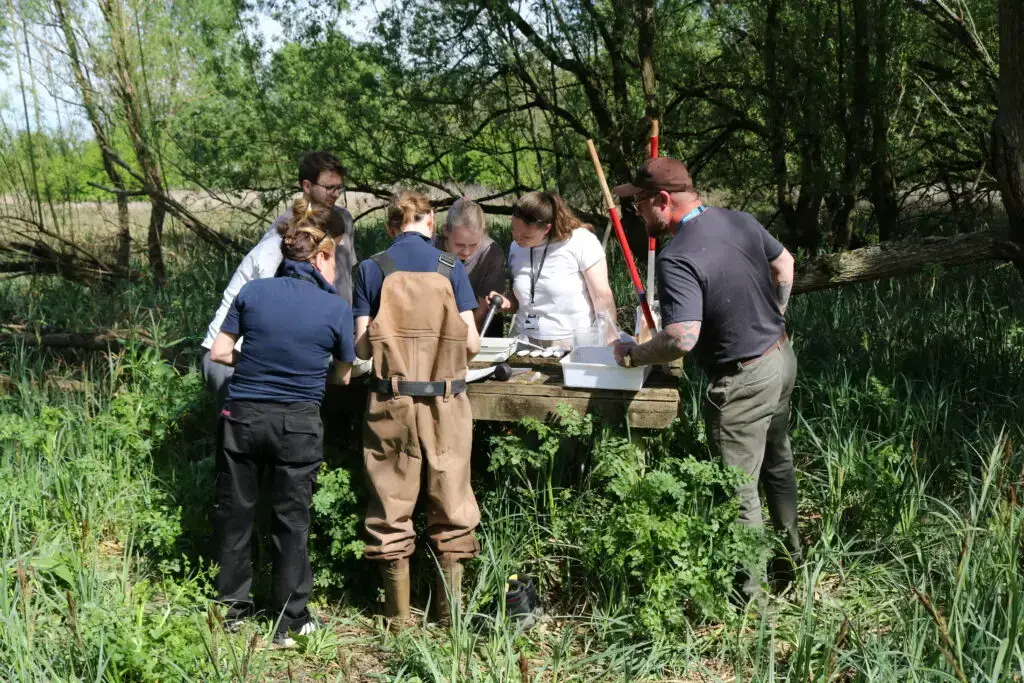
The course is highly practical and industry focused. Students gain hands-on experience through fieldwork in a range of habitats, developing skills in habitat management, species monitoring and sustainable land-use practices.
Teaching integrates real-world scenarios such as ecological surveys, conservation planning and countryside management projects. By combining theory with immersive practical training, students are prepared to step confidently into roles that require problem-solving, adaptability and critical thinking.
What kind of practical activities will students take part in?
Students will be involved in a wide range of activities that mirror professional conservation work, including:
- Habitat management across woodlands, grasslands and wetlands
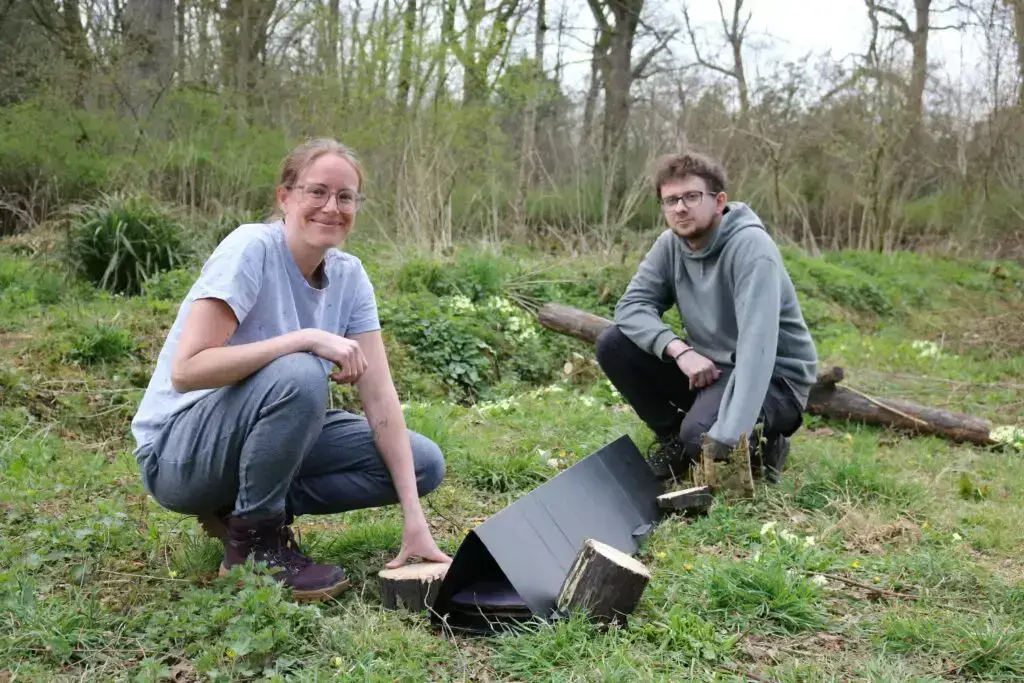
- Species monitoring, such as bird counts, mammal tracking and invertebrate sampling
- Ecological surveying using industry-standard techniques
- Practical countryside skills, including hedge laying, fencing and woodland management
- Work experience with local conservation organisations, estates and parks
How will students use the facilities at Lackham?
Student will make full use of Lackham’s extensive facilities, including access to diverse habitats for surveying and habitat management activities, as well as animal collections for practical conservation and welfare studies.
Students will also take part in field trips to conservation organisations and zoological collections, providing valuable insight into professional standards and industry practice.
What careers or progression routes does the course support?
Graduates can progress into roles such as wildlife conservation officer, ecologist or environmental consultant, habitat or countryside ranger, biodiversity officer, zoo or wildlife park keeper, or animal welfare and rehabilitation specialist.
The qualification also supports progression to further study, including degrees in conservation biology, ecology, environmental science, zoology or wildlife management.
What excites you most about launching this course?
What excites me most about launching this course is the opportunity to inspire the next generation of conservation professionals. Students won’t just learn theory – they’ll actively contribute to habitat management and conservation projects, gaining skills that make a real difference for wildlife and the environment.
Is this course right for me?
This course is ideal if you enjoy hands-on learning, want to build practical skills, and are motivated by making a positive difference in your chosen field.
Interested in studying this course?
Find out more, check entry requirements or apply online.