WILTSHIRE College & University Centre is reducing its carbon footprint at its Lackham campus by installing an anaerobic digester to convert farm waste into energy.
The £275,000 project was completed over the Summer and is now up and running to its full capacity- it is estimated it will save up to £50,000 worth of electricity a year at Lackham’s Home Farm, which has a herd of 100 Holstein Friesian cows feeding it.
As well as being a teaching facility, Home Farm is a working farm producing 35,700 litres of milk a week for Cadbury’s, as part of a group of suppliers, as well as its own beef and lamb. The cows are split between a fully robotic dairy and traditional cow sheds.

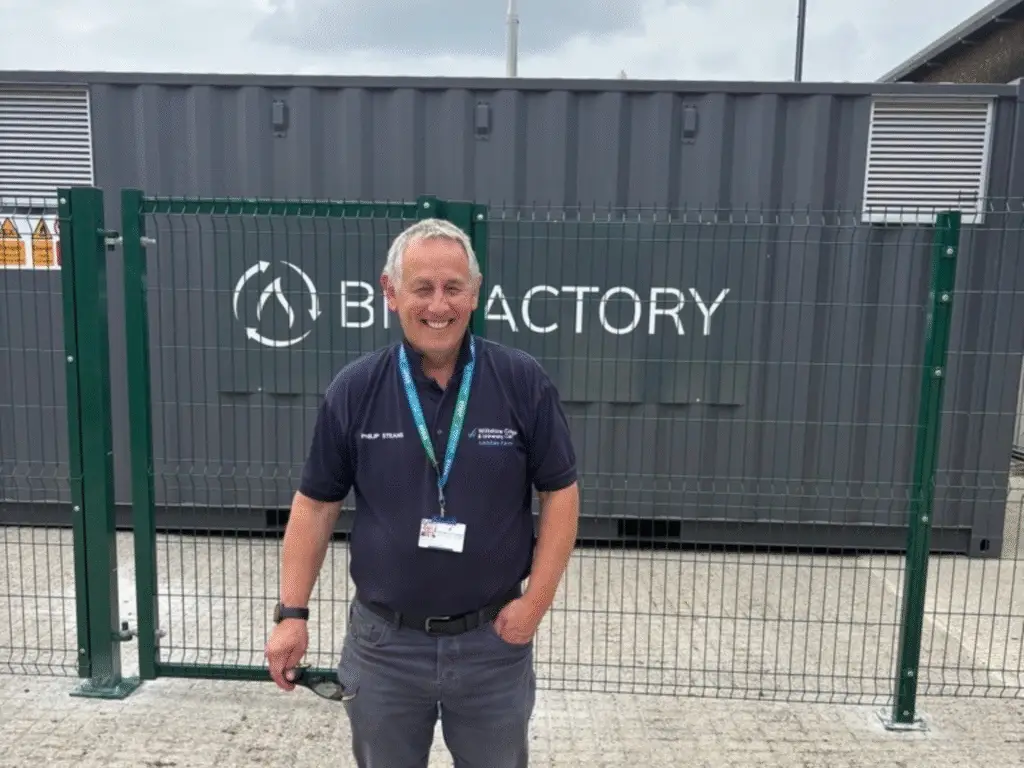
The 15 kilowatt MicroAD farm system, installed by Bath design and engineering firm BioFactory, uses microorganisms to convert waste into methane, which is then converted into electricity. The process lowers greenhouse gas emissions by capturing methane that would otherwise be released into the atmosphere.
“The real bonus for us is that it reduces our carbon footprint as well as contributing to our cost savings,” said Philip Steans, Farm and Estates Manager at the campus. “More and more farms are looking into these AD units and we felt the time was right to invest.
“The savings on electricity will help reduce our production costs and improve the profitability of our milk at a time when all our costs are rising.”
At Lackham, slurry, which would normally be separated and then spread on to fields, will be fed into the unit. The process will produce almost pasteurised manure, which, said Mr Steans, will reduce harmful bacteria – and the smell associated with muck spreading.
Essential nutrients like nitrogen, phosphorus, and potassium are also more readily available to the soil, which will improve its condition more quickly.
“Previously we’ve had to wait six weeks before we can allow our animals on to fields where we’ve spread manure because of the toxins but with this process we can allow them out a lot sooner,” said Phil, who has worked at the college for 32 years.
The AD process also produces hot water, which is kept in an 800 litre tank within the unit. The second phase of the project will install piping so it can be repurposed for heating and washing.
BioFactory CEO Eoin Sharkey said: “It’s fantastic to be working with the team at Wiltshire College & University Centre and to have the opportunity to share this new, innovative technology with the next generation of farmers. The introduction of our technology onto the farm enables the college to better utilise their slurry and meet their environmental and renewable energy goals.”
The Department for Environment, Food and Rural Affairs (DEFRA) says the proportion of farms in England processing waste, crops, or feedstocks in AD units has risen from 7 per cent in 2020 to 12 per cent last year.
The European Biogas Association said in a 2024 report that the UK and Denmark are among the top five biomethane producers in Europe. Germany leads with over 10,000 biogas plants, followed by France with nearly 1,600. The UK, with more than 700 plants, ranks third among the reporting countries.
“Having the AD unit is not only the right thing to do from an environmental and sustainability point of view, it also makes economic sense,” said Phil. “As our students go into industry they are going to be seeing more and more of them in use, so having an understanding of them and the benefits they bring while they are here can only be a good thing.”
The College has already achieved an impressive 20% reduction in carbon emissions across its whole estate after setting it’s net zero target two years ago. The AD plant will deliver a further significant reduction in emissions, in our ambition to be net zero by 2040.
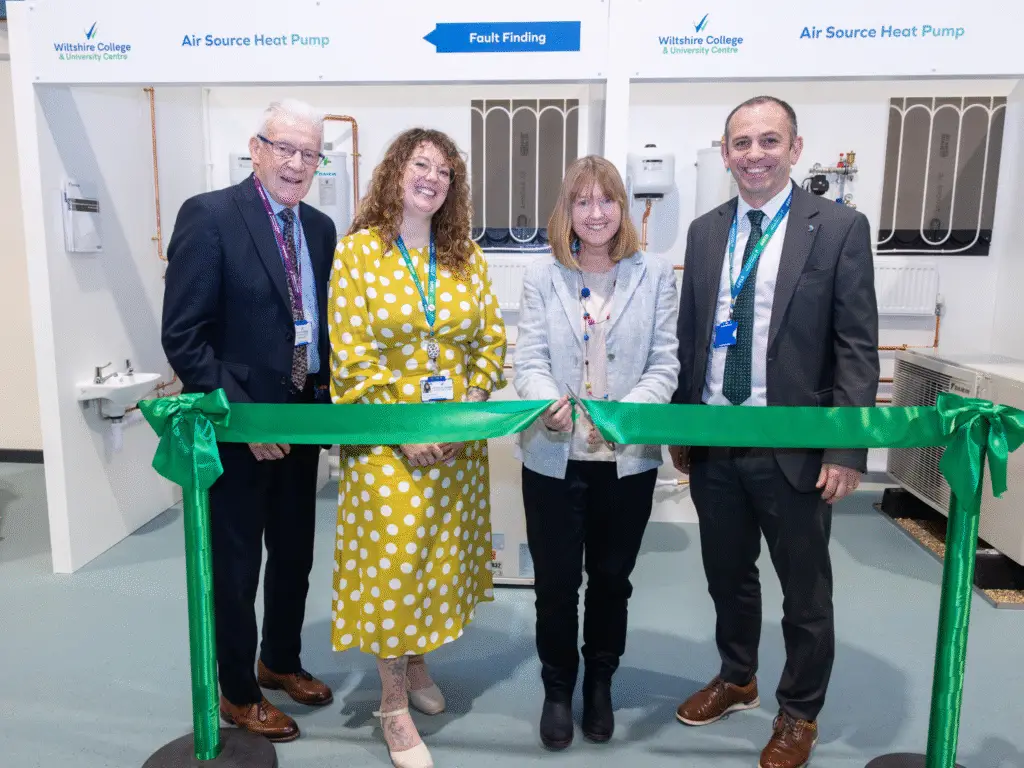
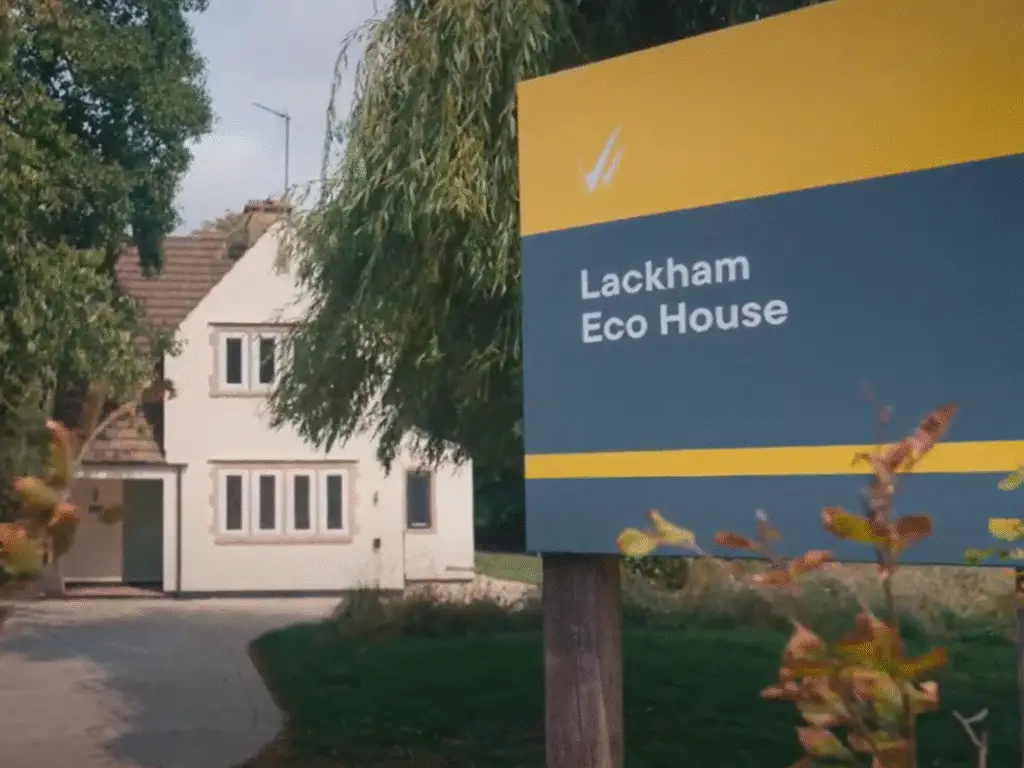
As part of its sustainability strategy, the College is opening a Green Skills Innovation Centre to teach the construction industry about the installation and maintenance of eco technologies such as air source heat pumps and solar panels. This year will also see the launch of the Lackham Eco House in partnership with Good Energy to showcase sustainable technology.
The College’s efforts have not gone unnoticed as they have been named a finalist for ‘Sustainability Institution of the Year’ at the 2025 Green Gown Awards – celebrating universities and colleges that are making real progress in tackling climate change and building more sustainable futures. The winners of the 2025 Green Gown Awards will be announced in November 2025 and the full list of finalists is available here.